Bantam Hatching Eggs for Sale – Fertile, NPIP Certified, Shipped Fresh
Looking for bantam hatching eggs for sale? You’ve come to the right farm. We raise and ship fertile bantam hatching eggs from carefully managed flocks, including Old English Game Bantam, Serama, Mille Fleur d’Uccle, Silkie Bantam, and Cochin Bantam. We are NPIP Certified, giving buyers added confidence when ordering hatching eggs for their own incubators. Call/Text 754-279-1732 to order. We ship fertile bantam hatching eggs nationwide in the USA, with shipping available daily so you can get fresh eggs into your incubator as quickly as possible. Every order is packed carefully in foam egg shippers designed to help protect the eggs during transportation. Our goal is simple: provide healthy, fertile eggs, pack them well, and help you have a successful hatch. With proper incubation and following our instructions, our expected hatch rate is 80%+. Whether you are a first-time hatcher, backyard chicken keeper, breeder, or small poultry farmer, we are happy to help you choose the right bantam eggs for your flock.
What Breeds of Bantam Hatching Eggs Do We Sell?
Choosing the right bantam breed is one of the most enjoyable parts of raising chickens. Each breed has its own personality, appearance, size, and egg characteristics. Here are the five bantam breeds available from our farm.
Old English Game Bantam
Old English Game Bantams are active, alert, and full of personality. They are hardy little birds that are fun to watch and can make a great addition to a backyard flock or breeding program.
Their eggs are generally small and have a light cream to off-white shell. If you enjoy energetic birds with a classic bantam look, Old English Game Bantams are a great choice.
Serama
Seramas are famous for being tiny chickens with big personalities. They are curious, confident, and often surprisingly friendly when handled regularly.
Serama eggs are small and typically range from white to light cream in color. Because Seramas are so small, they are especially popular with poultry keepers who want an unusual miniature breed.
Mille Fleur d’Uccle
Mille Fleur d’Uccle bantams are known for their beautiful mille fleur feather pattern and friendly, lively personalities. They can be curious and entertaining birds, making them popular with backyard keepers and poultry enthusiasts.
Their eggs are small and generally light cream to off-white. Their colorful appearance makes them especially attractive to people who want a bantam flock that stands out.
Silkie Bantam
Silkie Bantams are among the most recognizable chickens in the world. They are usually calm, gentle, and easy to enjoy as backyard birds, and their soft, fluffy feathers give them a unique appearance.
Silkie eggs are small and commonly range from cream to light tan. Silkies are also known for their broody nature, making them a favorite among some keepers who enjoy natural incubation.
Cochin Bantam
Cochin Bantams are gentle, calm, and often easygoing around people. Their rounded bodies and feathered legs give them a charming appearance, while their relaxed personality makes them popular with backyard poultry keepers.
Their eggs are generally small with light brown to cream-colored shells. Cochins can be a good choice for someone who wants a quieter, attractive bantam breed.
If you are unsure which breed fits your goals, think about what matters most to you: personality, appearance, breeding plans, egg color, or simply which chicken you have always wanted to raise. We can help you choose.
How Much Are Bantam Hatching Eggs?
When buying hatching eggs, price is only one part of the decision. Egg freshness, fertility, flock care, packaging, shipping practices, and breeder experience can all affect the value of an order.
Our pricing generally falls between $65 and $85 per dozen, depending on breed and availability.
Breed Price per dozen Availability
Old English Game Bantam $65 Seasonal / Limited
Serama $85 Limited
Mille Fleur d’Uccle $70 Seasonal
Silkie Bantam $80 Limited
Cochin Bantam $70 Seasonal
Availability can change throughout the year because hens do not produce eggs at exactly the same rate in every season. Some breeds may have limited quantities available at certain times.
For the most current availability, contact the farm before ordering. If a particular breed is temporarily unavailable, we can let you know when the next eggs are expected.
When comparing bantam chicken hatching eggs, remember that the cheapest dozen is not always the best value. Proper collection, careful handling, protective packaging, and a responsible breeding program can make a major difference once those eggs are traveling to your incubator.
Why Buy NPIP Certified Bantam Hatching Eggs?
NPIP stands for the National Poultry Improvement Plan. It is a cooperative program involving poultry producers, state agencies, and the United States Department of Agriculture that focuses on monitoring and controlling certain poultry diseases.
For buyers, choosing an NPIP Certified farm adds an important layer of confidence. Poultry health is a serious matter, especially if you already have chickens at home or plan to add new birds to your flock.
We are NPIP Certified.
That matters because buying hatching eggs is not just about getting eggs that look good. You are purchasing the starting point for future chicks. A responsible breeder should take flock health seriously and follow appropriate poultry health practices.
When you search for NPIP bantam eggs for sale, look beyond the photos. Ask questions about the flock, egg freshness, shipping practices, packaging, and the seller’s experience.
We believe buyers deserve clear information. Our goal is to provide fertile eggs from a carefully managed flock and to communicate honestly about what you can expect from your order.
NPIP certification also gives buyers a useful way to distinguish established poultry operations from unknown sources. Certification does not mean that every shipped egg will hatch, because many factors affect hatchability, but it is an important part of responsible poultry production.
If you are building a breeding program, expanding a backyard flock, or simply want to hatch bantams at home, starting with a reputable, NPIP Certified farm is a smart step.
How We Pack & Ship Your Fertile Bantam Eggs for Maximum Hatch Rate
Shipping hatching eggs requires more care than shipping ordinary table eggs. Fertile eggs contain a developing embryo, so rough handling, temperature extremes, and long delays can reduce hatchability.
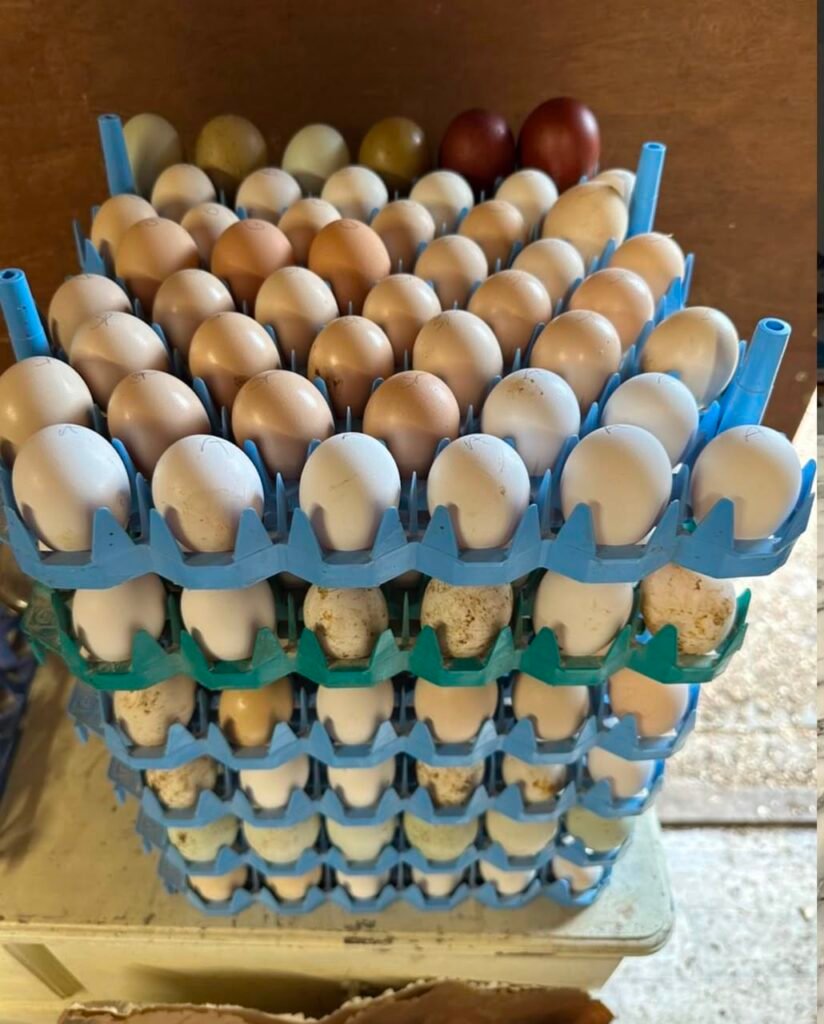
We collect eggs fresh and aim to ship eggs that are no older than three days. Fresh eggs give you the best starting point for incubation.
We ship fertile bantam hatching eggs nationwide throughout the USA.
Each order is packed using foam egg shippers. Foam helps cushion individual eggs and provides protection against bumps and movement during transportation. While no shipping method can eliminate every risk, careful packaging can make a significant difference.
We normally ship using USPS Priority Mail so the package can move through the postal system efficiently.
Once your eggs arrive, give them time to settle before placing them in the incubator. Shipping can cause eggs to experience movement and changes in temperature. Allowing them to rest with the large end up before incubation is a common practice among experienced hatchers.
Here are a few important tips when your package arrives:
- Open the box carefully.
- Inspect the eggs for visible cracks.
- Do not wash the eggs.
- Allow shipped eggs to settle before incubation.
- Keep the large end of the egg facing upward during the settling period.
- Follow the incubation instructions carefully.
- Avoid unnecessary handling once incubation begins.
We cannot control every event that happens after a package leaves the farm. Weather, postal handling, temperature, delays, and the buyer’s incubation equipment can all affect results. That is why we focus heavily on freshness and protective packaging before the eggs leave our hands.
Our Fertility & Hatch Rate Guarantee
We take fertility and hatchability seriously because we know how exciting it is to open an incubator and see bantam chicks beginning to hatch.
Our expected hatch rate is 80%+ when incubation instructions are followed. This is an important benchmark, but it is not a promise that every egg in every order will hatch.
Hatching eggs are biological products. Even a fertile egg may fail to hatch because of factors outside the seller’s control. Incubator temperature, humidity, turning, ventilation, shipping stress, power interruptions, handling, embryo development, and the condition of the incubator can all influence the final result.
We are NPIP Certified, and we work hard to provide fresh, fertile eggs from healthy, carefully managed flocks. We also take care when collecting and packing orders.
To give your eggs the best possible chance, follow the incubation instructions provided with your order. Do not make frequent temperature adjustments based on small fluctuations. Use a reliable thermometer and hygrometer, and avoid opening the incubator unnecessarily during lockdown.
If you have questions about your eggs after delivery, contact us promptly. We would rather help you troubleshoot an incubation issue than have you guess about what went wrong.
A good hatch begins before the egg reaches the incubator. It starts with the breeder, the flock, egg collection, storage, packaging, shipping, and finally careful incubation by the buyer.
That is why we are proud to be NPIP Certified and committed to responsible poultry practices.
How to Incubate Bantam Hatching Eggs – Step-by-Step for Beginners
If this is your first time hatching chicken eggs, don’t worry. Bantam eggs can be successfully incubated by beginners when you use a reliable incubator and follow a consistent routine.
- Set the temperature to 99.5°F
For a forced-air incubator with a fan, a common target temperature is 99.5°F. Use a dependable thermometer and place it where it can accurately measure the temperature at egg level.
Temperature is one of the most important parts of incubation. Avoid constantly changing the thermostat because of tiny fluctuations.
- Start humidity around 45–50%
During the first part of incubation, aim for approximately 45–50% relative humidity in a typical forced-air incubator.
Humidity requirements can vary depending on your incubator, climate, and egg moisture loss, so monitor your equipment rather than relying only on a single number.
- Turn the eggs regularly
Eggs should be turned regularly during incubation to help prevent the developing embryo from sticking to the shell membrane.
Automatic turners can make this easier. If you turn eggs by hand, use clean hands and keep your turning schedule consistent.
- Increase humidity for lockdown
Around day 18, stop turning the eggs and prepare for lockdown.
Increase humidity to approximately 65%. At this point, avoid opening the incubator unless necessary. The goal is to keep humidity stable while chicks begin the hatching process.
- Leave the incubator closed during hatch
Opening the incubator repeatedly can cause humidity to drop quickly. That can make it harder for membranes to stay moist.
Once lockdown begins, resist the urge to help a chick hatch unless you have specific experience and understand the risks.
- Expect hatch day around day 21
Many chicken eggs hatch around day 21, although individual eggs may hatch earlier or later.
Bantam breeds can vary, so do not panic if one egg hatches before another. Give chicks time to hatch, dry, and become active before moving them to the brooder.
The key to successful incubation is consistency. Stable temperature, appropriate humidity, regular turning before lockdown, and patience during hatch day will give your eggs the best chance.
Bantam Hatching Eggs for Sale Near Me vs Shipped – Which Is Better?
When searching for bantam hatching eggs for sale near me, you may find local listings from backyard breeders, online marketplaces, social media sellers, or poultry farms.
Buying locally can be convenient. You may save on shipping, meet the seller, and sometimes pick up eggs the same day.
However, local does not automatically mean better.
One challenge with buying from an unknown local source is that you may not know how the flock is managed, how old the eggs are, whether the eggs are fertile, or how seriously the breeder takes poultry health.
A reputable shipped order can provide a more consistent buying experience. You can ask about the farm, breed, egg age, packaging, shipping method, and flock health practices before you place your order.
We are NPIP Certified, ship nationwide in the USA, collect eggs fresh, and use foam egg shippers for protection.
That means you do not have to live close to our farm to buy from us. We can ship fertile bantam eggs directly to your location.
For many buyers, that is especially useful when they want a specific breed such as Serama, Mille Fleur d’Uccle, or Old English Game Bantam that may not be available from a trustworthy breeder nearby.
So, where to buy bantam hatching eggs depends on your priorities. If convenience is your only concern, local pickup may make sense. If flock health information, breed selection, freshness, and careful shipping matter to you, buying from an established NPIP Certified farm can be the better choice.
The most important thing is to know who you are buying from and what questions to ask before placing your order.
Frequently Asked Questions About Bantam Hatching Eggs
How long do bantam eggs take to hatch?
Most chicken eggs hatch at approximately 21 days when incubated under proper conditions. Individual eggs can hatch somewhat earlier or later, so it is normal for hatch timing to vary.
For best results, prepare for lockdown around day 18, stop turning the eggs at that point, increase humidity, and avoid unnecessary opening of the incubator.
What is your hatch rate?
Our expected hatch rate is 80%+ when incubation instructions are followed. Hatch rates can vary from order to order because shipping conditions, incubator performance, temperature, humidity, turning, and other factors can affect embryo development.
We do our part by collecting fresh fertile eggs, packing them carefully, and shipping them in protective foam egg shippers.
Do you ship to [state]?
Yes. We ship fertile bantam hatching eggs nationwide in the USA. If you are wondering whether we can ship to your specific state, contact us before ordering and we can confirm the current shipping details and availability for your location.
Because weather and transportation conditions can change, we also recommend considering the best shipping timing for your area.
Are your flocks NPIP certified?
Yes. We are NPIP Certified. We take flock health seriously and believe buyers should know where their hatching eggs come from.
When looking for NPIP bantam eggs for sale, ask sellers whether they are NPIP certified and what practices they use to maintain their flock. Certification is one useful piece of information when choosing a poultry breeder.
How do I order?
Ordering is easy. Contact the farm with the breed you want, the number of dozens you are interested in, and your shipping information.
Call/Text 754-279-1732 to order.
We can let you know which breeds are currently available and help you choose the right fertile bantam eggs for your incubator.
Ready to Order Your Bantam Hatching Eggs?
If you have been searching for bantam hatching eggs for sale, we would love to help you get started.
We offer Old English Game Bantam, Serama, Mille Fleur d’Uccle, Silkie Bantam, and Cochin Bantam hatching eggs, depending on current availability.
Our eggs are collected fresh, packed carefully in foam egg shippers, and shipped nationwide in the USA. We are NPIP Certified, and our expected hatch rate is 80%+ when incubation instructions are followed.
Whether you are starting your first small backyard hatch, adding a new breed to your flock, or building a bantam breeding program, we believe good communication and careful handling make a difference.
Don’t wait until your favorite breed is sold out. Availability can change with the season and flock production.
Call/Text 754-279-1732 today to reserve your dozen. NPIP Certified, fertile, and shipped fresh from our farm to your incubator.