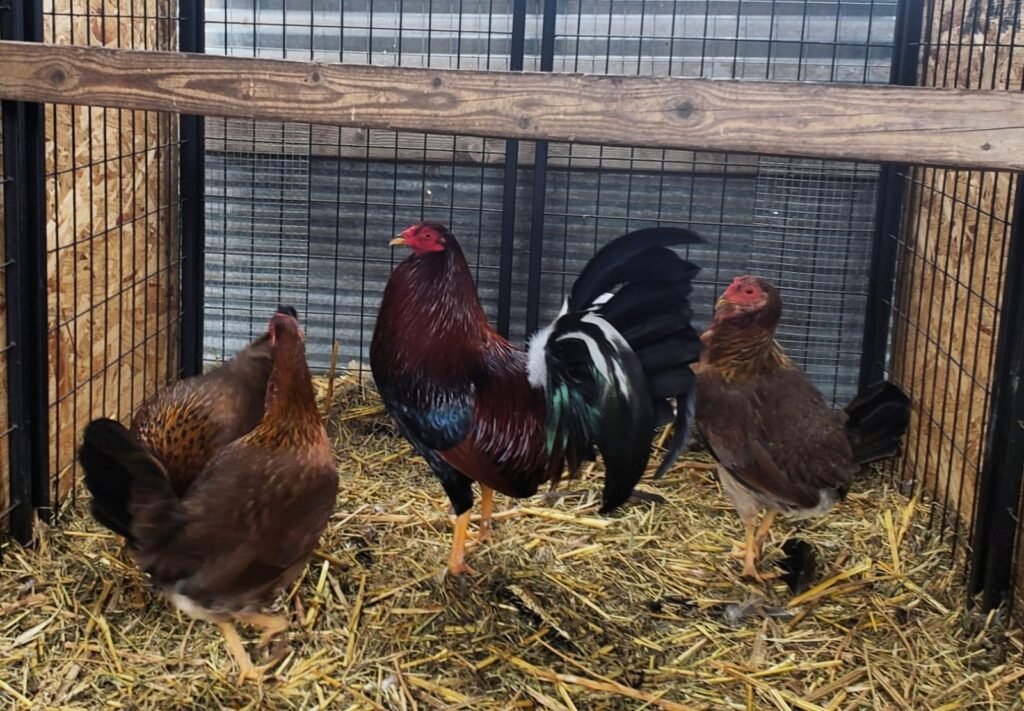
Heritage Gamefowl Breeds For Sale: A Buyer’s Guide for USA Poultry Keepers
If you are searching for gamefowl for sale in the USA because you appreciate heritage poultry, distinctive bloodlines, exhibition birds, or responsible breeding programs, choosing the right birds is about more than appearance. Heritage gamefowl breeds have a long history as farm and exhibition poultry, and many breeders value them for their distinctive conformation, feather patterns, colors, hardiness, and breeding characteristics.
At our poultry business, we focus on heritage, exhibition, ornamental keeping, breeding, and conservation. We understand that buyers want healthy birds, honest information, careful handling, and dependable shipping. Whether you are an experienced breeder or adding your first heritage birds to a backyard flock, we want you to have the information needed to make a sensible decision.
We offer heritage poultry to customers throughout the United States, with attention to bird condition and responsible transport. For questions about current birds, availability, or ordering, Phone: 754-279-1732.
Call or text 754-279-1732 to order.
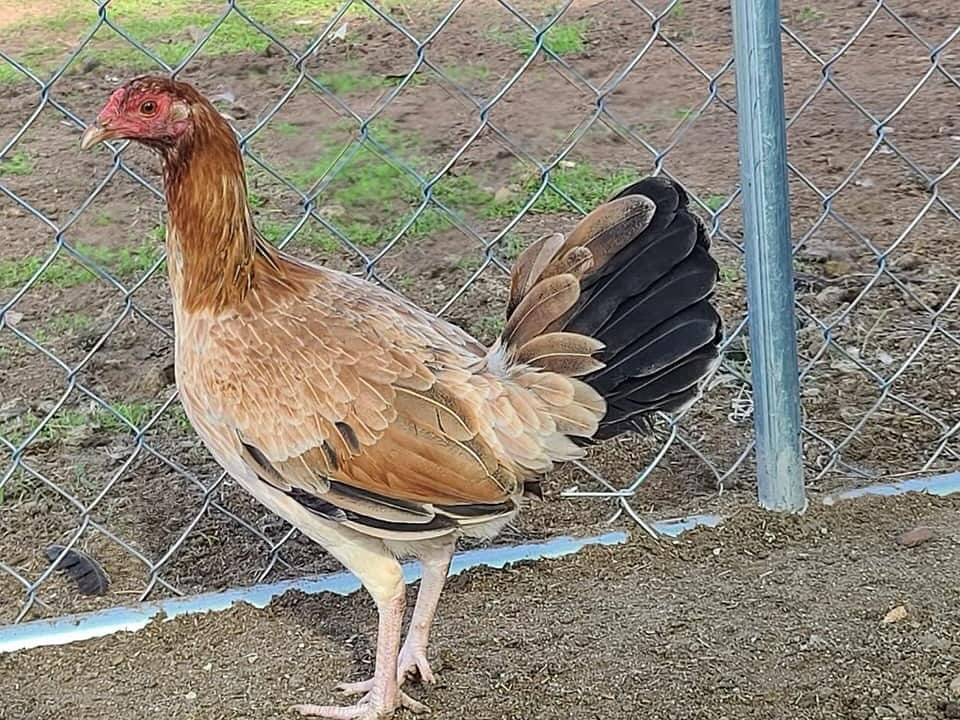
What Are Heritage Gamefowl Breeds
Heritage gamefowl breeds are traditional poultry breeds and strains that have been maintained by breeders for generations. Although the word “gamefowl” has historical associations, these birds can be kept for entirely lawful purposes such as exhibition, breeding, ornamental poultry keeping, education, and preservation of traditional poultry genetics.
For today’s responsible poultry keeper, heritage birds can be interesting because of their unique physical characteristics and historical background. Breeders may select birds based on type, feather quality, coloration, leg characteristics, size, temperament, fertility, and how well the birds complement an established breeding program.
Heritage poultry can also play a role in conservation. Maintaining established lines gives future breeders access to genetic diversity that might otherwise become less common. A good breeding program is not simply about producing more chickens. It involves selecting healthy breeding stock and maintaining desirable characteristics over successive generations.
When evaluating heritage gamefowl breeds, buyers should look beyond photographs. Ask about the bird’s age, sex, approximate size, breeding history when available, current health condition, vaccination or testing practices, and the environment in which the birds are raised.
It is also important to understand terminology. A “hen” is an adult female, while a “stag” generally refers to a young male. Breeders may also offer chicks, started birds, mature hens, mature roosters, or established breeding pairs and trios depending on availability.
For exhibition purposes, buyers should pay close attention to conformation and breed characteristics. For breeding, health, fertility, lineage information, and compatibility with the existing flock may be more important than a single visual characteristic.
The best heritage poultry purchase is one that fits your goals.
Popular Gamefowl Breeds For Sale
Availability changes throughout the year, but heritage poultry buyers commonly encounter several well-known breeds and traditional types. When considering gamefowl for sale, remember that individual quality can vary significantly from one bird to another. A breed name alone does not guarantee that every bird will have the same appearance or breeding value.
Old English Game
Old English Game chickens are among the most recognizable traditional exhibition breeds. They are appreciated by poultry enthusiasts for their compact appearance, upright carriage, rich coloration, and extensive variety of recognized color patterns.
For exhibition keepers, Old English Game can be an especially interesting choice because of the breed’s long history in the show world. They can also make attractive ornamental additions to a carefully managed flock.
American Game
American Game represents another historically significant category of poultry. Modern responsible keepers may maintain these birds as heritage poultry for breeding, exhibition, educational purposes, and preservation.
As with any heritage breed, buyers should ask what characteristics the particular breeder selects for. If your objective is exhibition, discuss the desired type and color. If your objective is conservation breeding, ask about available lineage information.
Asil
Asil-type poultry has a long history and distinctive appearance. These birds are often appreciated by poultry enthusiasts interested in traditional breeds, heritage characteristics, and ornamental birds.
Their substantial build and unique carriage can make them interesting additions to a collection. Before purchasing, make sure you have suitable housing and understand the breed characteristics.
Modern Game
Modern Game chickens are particularly distinctive in appearance, with an elegant, upright form and unusually long legs. They are generally associated with exhibition and ornamental poultry keeping.
They can be an excellent choice for someone who wants a visually unusual bird and enjoys maintaining show-oriented poultry.
Other Heritage Types
Depending on the breeding program and season, other traditional breeds and strains may become available. If you have a specific breed in mind, contact us before ordering so we can discuss current availability and help you determine whether the birds fit your goals.
Remember that responsible breeding is about quality and consistency rather than simply collecting as many different varieties as possible.
Why Buy NPIP Certified Heritage Gamefowl From Us
Health and responsible sourcing should be priorities when purchasing any live poultry.
Our focus is on providing birds suitable for breeding, exhibition, ornamental keeping, and conservation. We also emphasize responsible flock management and careful preparation before shipment.
NPIP certified is an important term for poultry buyers to understand. NPIP stands for the National Poultry Improvement Plan, a cooperative program involving the poultry industry, participating states, and the USDA. The program establishes testing and certification standards designed to help monitor and control certain poultry diseases.
For buyers, purchasing from an NPIP certified source can provide additional confidence that the flock is participating in recognized poultry health-monitoring procedures. NPIP status does not mean that every possible disease is eliminated or that a bird can never become sick. Instead, it indicates participation in a structured testing and certification system for applicable poultry diseases.
Ask questions about the seller’s current NPIP status, applicable testing, and state requirements before purchasing or transporting birds. Poultry regulations can vary by state, and some destinations may have additional requirements.
Healthy birds also start with everyday management. Clean housing, appropriate nutrition, fresh water, adequate ventilation, parasite monitoring, and sensible flock biosecurity all matter.
We take these considerations seriously because a buyer is not simply purchasing an animal—they are adding that animal to an existing flock or breeding program.
Phone: 754-279-1732 if you have questions about available heritage birds, health practices, or ordering.
Call or text 754-279-1732 to order.
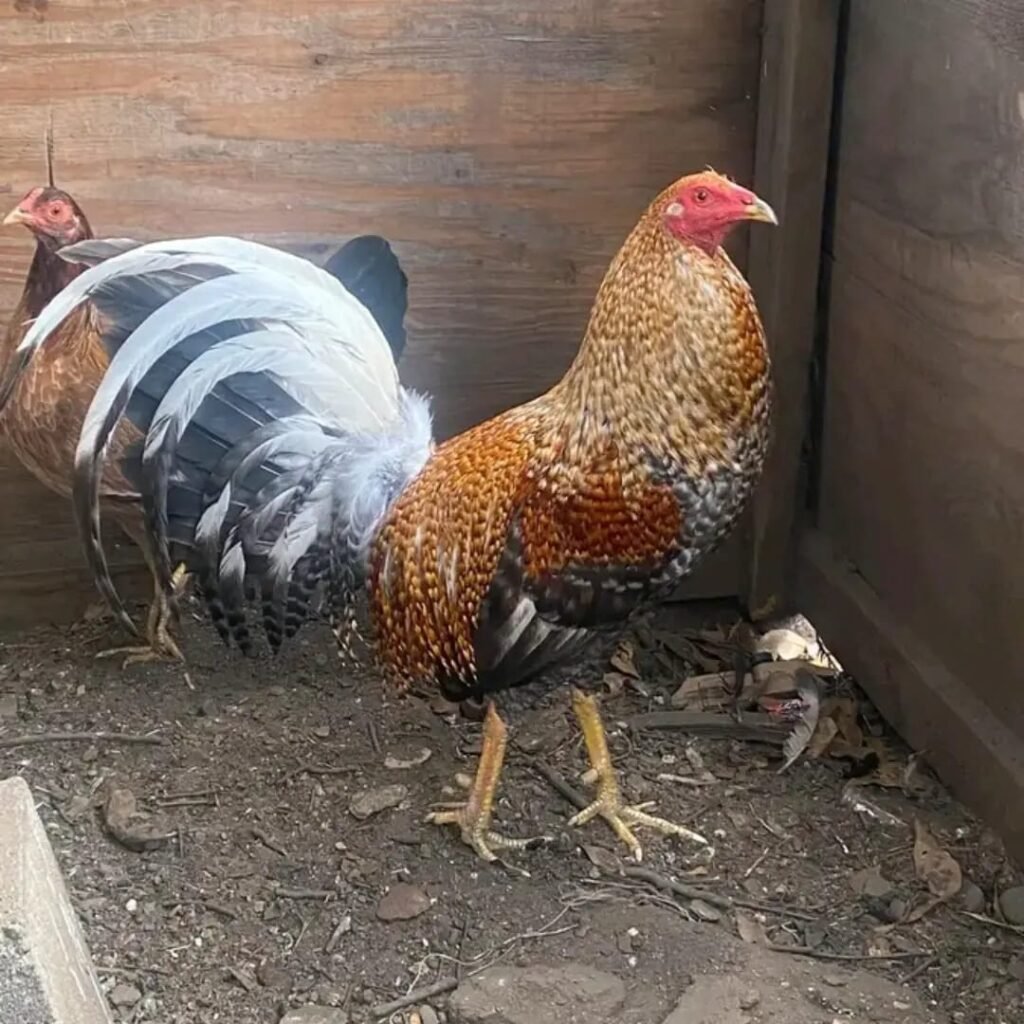
Gamefowl Price in USA
The price of heritage gamefowl breeds in the USA can vary considerably. There is no single “correct” price because several factors influence the value of a bird.
Age is one consideration. Chicks generally cost less than started birds or mature breeding stock, while proven breeders may command a higher price.
Sex can also affect pricing. Hens, roosters, pairs, trios, and breeding groups may have different prices depending on availability and breeding characteristics.
Color, exhibition quality, lineage documentation, rarity, and breeder reputation can also influence price. Transportation and health documentation may contribute to the total cost as well.
Rather than choosing a bird solely because it is the cheapest available, consider the overall value. A healthy, well-managed bird from a reputable breeding program can be a better long-term choice than an inexpensive bird with limited information about its history or condition.
Before purchasing, ask:
* What is the bird’s age?
* Is it a hen, stag, rooster, chick, or breeding group?
* What breed or variety is it?
* Is lineage information available?
* What health and testing information is available?
* What are the shipping arrangements?
* What are the destination state’s poultry requirements?
* Does the purchase include a Live Arrival Guarantee?
* What housing and care will the bird need when it arrives?
Prices and availability can change, so contact us for current information rather than relying on an old listing.
If you are also interested in smaller ornamental poultry, consider reading our internal [bantam chicken for sale] guide for additional information about selecting and caring for bantam breeds.
How We Ship Heritage Poultry Nationwide
Shipping live poultry requires careful planning. We ship heritage poultry nationwide in the USA, subject to applicable carrier availability, state regulations, weather conditions, and destination requirements.
The goal is to minimize stress and provide birds with the safest practical journey.
Before shipment, buyers should make sure their receiving area is ready. Have a clean, secure enclosure prepared before the birds arrive. Fresh water should be available immediately, and appropriate feed should be ready.
Weather is another important consideration. Extreme heat and extreme cold can make live-animal transportation more challenging. Responsible scheduling may require adjusting shipment timing when conditions are unfavorable.
We also recommend that buyers check their state and local poultry regulations before ordering. Some states require health certificates, testing, permits, or other documentation for incoming poultry.
Our shipping process is designed around responsible handling and careful preparation. We also provide a Live Arrival Guarantee, subject to the terms and conditions that apply to the purchase. Buyers should review those terms before placing an order so they understand the notification and documentation requirements.
Because live poultry is involved, communication matters. If you have questions about shipping, delivery timing, preparation, or destination requirements, contact us before ordering.
Phone: 754-279-1732.
Heritage Gamefowl Care Guide for Beginners
A successful poultry purchase starts with proper preparation. Even a healthy heritage bird needs an appropriate environment after arrival.
1. Prepare the Housing
Give new birds a clean, secure area before they arrive. The enclosure should protect them from predators while providing adequate ventilation and shelter from rain, wind, and excessive sun.
Avoid overcrowding. Heritage birds need enough room to move naturally and access food and water without excessive competition.
2. Provide Clean Water
Fresh, clean water should always be available. Check water containers frequently, especially during hot weather.
New birds may be stressed after transportation, so keeping their environment calm and predictable during the first few days can help them settle.
3. Use Appropriate Poultry Feed
Provide a quality feed appropriate for the bird’s age and purpose. Growing birds have different nutritional needs from mature breeding birds.
A balanced diet supports normal growth, feather development, body condition, and reproductive health.
4. Quarantine New Birds
If you already have poultry, consider quarantining new arrivals before introducing them to the established flock. This gives you time to observe the newcomers and reduces the risk of introducing an illness into your existing birds.
Discuss appropriate quarantine and biosecurity practices with a poultry veterinarian or qualified agricultural professional when needed.
5. Monitor Health
Get familiar with normal behavior. Changes in appetite, drinking, activity, droppings, breathing, or appearance can indicate that something is wrong.
Regular observation makes it easier to notice problems early.
6. Keep the Coop Clean
Good sanitation is one of the simplest ways to improve flock management. Remove excessive manure and wet bedding, keep feeders clean, and prevent standing water around the housing area.
7. Consider Your Breeding Goals
If you are buying birds for breeding, decide what characteristics you want to maintain before pairing birds. Consider health, structure, coloration, temperament, fertility, and breed characteristics.
Avoid breeding simply because two birds look attractive individually. A thoughtful breeding program considers how the parents complement one another.
8. Keep Good Records
Record purchase dates, approximate ages, parentage when known, hatch information, breeding pairs, health observations, and offspring.
Good records become increasingly valuable as your breeding program develops.
FAQs About Buying Heritage Gamefowl
Are heritage gamefowl suitable for exhibition?
Yes. Many traditional gamefowl breeds and varieties have been maintained by poultry enthusiasts for exhibition and ornamental purposes. Always check the current standards of the poultry organization or show where you intend to exhibit.
What does NPIP certified mean?
NPIP certified means a participating poultry flock is enrolled in the National Poultry Improvement Plan and meets applicable program requirements. For buyers, this provides useful information about the flock’s participation in recognized poultry disease-testing and certification procedures. It is still important to ask about current testing, documentation, and destination-state requirements.
Are your birds NPIP certified?
Our heritage poultry program emphasizes NPIP certified sourcing and responsible flock management. Buyers should contact us for current certification information, applicable testing, and documentation for the birds they are considering.
Do you ship gamefowl nationwide?
We ship heritage poultry nationwide in the USA, subject to applicable shipping availability, weather conditions, and state regulations. Because requirements can vary, buyers should verify the rules for their destination before placing an order.
Do you offer a Live Arrival Guarantee?
Yes, our sales include a Live Arrival Guarantee, subject to the specific terms and conditions of the purchase. Contact us before ordering to understand the requirements for reporting a shipping-related issue.
What should I buy: chicks, hens, stags, or breeders?
That depends on your goals. Chicks can be appropriate for people who want to raise young birds and develop their own breeding program. Hens and stags can be useful for establishing a breeding group, while mature breeders may be more appropriate for someone who wants to begin breeding sooner.
How do I choose a healthy heritage bird?
Look for alert behavior, good body condition, clean eyes and nostrils, healthy feathers, normal movement, and a clean living environment. Ask the breeder about flock management, testing, age, lineage, and any relevant health information.
How much do heritage gamefowl cost?
Prices vary according to breed, age, sex, color, lineage, breeding characteristics, exhibition quality, availability, and shipping requirements. Contact us for current pricing and availability.
Can I add a new heritage bird directly to my flock?
It is generally better to have a plan for introducing new poultry rather than immediately mixing unfamiliar birds. Quarantine and observation are important parts of responsible flock biosecurity.
What are heritage gamefowl kept for?
Heritage gamefowl can be kept for lawful purposes including exhibition, ornamental enjoyment, breeding, education, and conservation of traditional poultry genetics.
Why choose an NPIP certified breeder?
An NPIP certified breeder participates in a recognized poultry health program. This can give buyers useful additional information when evaluating where their birds come from. However, responsible buyers should still ask questions about current health, testing, biosecurity, and state-specific requirements.
What should I do before my birds arrive?
Prepare clean housing, fresh water, appropriate feed, secure fencing, and a quiet place for the birds to settle. If you already own poultry, establish a suitable quarantine area before the new birds arrive.
How can I learn more about available birds?
The easiest approach is to contact us directly. We can discuss current heritage breeds, ages, sexes, breeding groups, shipping considerations, and availability.
Phone: 754-279-1732.
Call or text 754-279-1732 to order.
Final Thoughts
Choosing heritage poultry is an investment in a living piece of poultry history. Whether your interests are exhibition, ornamental keeping, responsible breeding, or conservation, taking time to select appropriate birds can make the experience much more rewarding.
When comparing gamefowl for sale in the USA, look beyond photographs and price. Consider the breeder’s reputation, flock-management practices, available health information, NPIP participation, shipping policies, and willingness to answer questions.
Our goal is to help fellow poultry keepers find heritage birds that fit their flock and their long-term goals. We focus on careful handling, responsible breeding, healthy poultry, and dependable communication.
We offer heritage poultry with nationwide shipping in the USA, and our Live Arrival Guarantee provides additional assurance when birds are shipped under the applicable terms.
For current availability, pricing, breed information, and shipping questions, Phone: 754-279-1732.
Call or text 754-279-1732 to order.
All birds sold for breeding, exhibition, and lawful purposes only.