Bantam Chicken for Sale: 7 Things to Know Before You Buy in 2026
If you’re searching for a bantam chicken for sale in the United States, you’re probably looking for a chicken that is small enough for a backyard flock but still full of personality. Maybe you’ve fallen in love with fluffy Silkies, elegant Sebrights, colorful d’Uccles, or tiny Japanese Bantams. Whatever caught your eye, buying bantams is a little different from buying standard-size chickens.
Bantams can be wonderful pets, show birds, and backyard layers, but breed choice, chick availability, shipping, sexing, and brooding all matter. A cheap chick can become an expensive mistake if you choose a breed that doesn’t fit your flock or order before your brooder is ready.
This guide walks you through what to know before buying bantam chicks for sale in 2026, including where to shop, what you can expect to pay, which breeds are easiest for beginners, and how to give your new chicks a healthy start.
[Insert Image of a group of colorful bantam chickens here]
- What Are Bantam Chickens and Why Are They So Popular?
Bantam chickens are miniature chickens that are substantially smaller than standard chicken breeds. Depending on the breed, a bantam may weigh only a fraction of a standard chicken.
There are two broad categories worth knowing:
- True bantams: Breeds that naturally occur only in bantam size, such as Sebrights and Japanese Bantams.
- Developed or miniature bantams: Smaller versions of standard breeds, such as Cochin Bantams.
Their small size is the biggest reason backyard keepers love them. You can keep several bantams comfortably in a relatively compact setup, although they still need appropriate housing, exercise, ventilation, predator protection, and access to clean water and feed.
Bantams also have plenty of personality.
Many are curious, social, and surprisingly confident. Some become extremely tame when handled regularly from a young age, which makes certain breeds appealing for families and children.
Why beginners often choose bantams
They need less space.
A small flock of bantams can work well where a standard-size flock would be difficult to accommodate. Always check your city, county, HOA, and state rules before purchasing poultry, however.
They’re fun to watch.
Bantams aren’t simply smaller versions of ordinary chickens in personality. Many have distinctive feathering, combs, tails, beards, muffs, or feathered feet.
They’re great hobby birds.
If you’re interested in showing chickens, breeding, photography, or simply keeping unusual backyard birds, bantams offer enormous variety.
Some are excellent pets.
Silkies, Cochins, and d’Uccles are particularly popular with people who want friendly, ornamental birds.
They can lay eggs.
Bantam eggs are smaller than standard chicken eggs, but they’re still perfectly usable. If egg production is your main priority, however, look at the breed’s laying record rather than choosing solely based on appearance.
One important warning: small does not mean maintenance-free. Bantam chicks can be especially vulnerable during their first weeks because they have less body mass and can chill or dehydrate quickly.
- Where to Buy Bantam Chickens For Sale in 2026
So, where to buy bantam chickens?
You have three main options: commercial hatcheries, local breeders, and local poultry communities.
Each has advantages, and the right choice depends on whether you want a specific breed, a particular sex, a few started birds, or a large group of day-old chicks.
Option 1: Commercial hatcheries
Large hatcheries are convenient because you can browse many breeds online and arrange shipment directly to your area.
Four names commonly encountered by U.S. backyard chicken keepers are:
- Cackle Hatchery
- Meyer Hatchery
- My Pet Chicken
- Stromberg’s Chickens
Availability changes throughout the season, so always check the current hatch dates before paying.
For example, Cackle currently lists dozens of bantam options and notes that its bantam season is seasonal rather than year-round. Its current 2026 listings include Silkies, Cochins, Old English Game Bantams, Japanese Bantams, and other varieties. (Cackle Hatchery)
My Pet Chicken also maintains a dedicated bantam collection. Its 2026 shipping information shows that minimum chick orders and shipping charges can vary depending on the time of year and number of chicks ordered. (My Pet Chicken)
Stromberg’s offers a large selection of bantam chicks and says its catalog includes more than 60 bantam breeds, with many chicks sold unsexed. (Stromberg’s Chickens)
Pros of buying from a hatchery
- Large breed selection
- Online ordering
- Predictable hatch and shipping schedules
- Useful breed information
- Convenient for buyers who don’t have local breeders
- Ability to order several chicks at once
Cons
- Shipping can significantly increase your total cost
- Many bantams are sold straight-run, meaning sex is not guaranteed
- Minimum-order requirements may apply
- Some breeds are seasonal
- You don’t get to personally select the individual bird
Option 2: Local breeders
A reputable local breeder can be an excellent choice if you want a particular breed, color, bloodline, or started pullet.
The biggest advantage is that you can often see the parents and living conditions before buying.
Ask the breeder:
- How old are the birds?
- Are they vaccinated?
- What health problems have occurred in the flock?
- Are the birds purebred or crosses?
- Are they sexed?
- What are the parents’ temperaments?
- What feed are they currently eating?
- Can you see the housing and breeding birds?
A good breeder should be comfortable answering reasonable questions.
The downside is that quality varies enormously between breeders. A beautiful Facebook listing doesn’t automatically mean the seller maintains a healthy breeding flock.
Option 3: Local poultry groups and Facebook communities
Local poultry groups can help you find bantams that are already started, especially if you don’t want to deal with shipping day-old chicks.
Search for terms such as:
- Bantam chickens for sale + your state
- Bantam breeders + your city
- Silkie breeders + your state
- Backyard chickens + your county
- Poultry swap + your area
This can be a great way to find 8- to 20-week-old pullets, breeding pairs, or unusual varieties.
Just remember: local does not automatically mean healthy. Ask questions and inspect the birds before bringing them home.
- How Much Do Bantam Chickens Cost? 2026 Price Guide
The bantam chicken price depends heavily on breed, age, sex, rarity, breeder quality, and shipping.
A day-old hatchery chick can look inexpensive until you add shipping. A started pullet costs more upfront but saves you weeks of brooding.
Here is a practical 2026 budgeting guide:
Type of Bantam Typical Price Range What You’re Buying
Standard bantam chick $3–$8 Day-old chick, often straight-run
Premium/common specialty chick $8–$20+ Specific breed, color, or sex
Rare bantam chick $25+ Scarcer breed, color, or specialty line
Started pullet $15–$25+ Young female beyond the brooder stage
Young breeding-quality bird $25–$75+ Selected for breeding/show potential
Adult breeding pair $50–$150+ Depends heavily on breed and bloodline
These are planning ranges, not guaranteed market prices. Current hatchery listings show that real prices can be higher, particularly for rare bantams. For example, My Pet Chicken currently lists some specialty bantam chicks around $19.99–$29.99, while Cackle’s assorted and common bantam offerings can be considerably less. (My Pet Chicken)
Don’t forget shipping
Shipping is where many first-time buyers underestimate the real cost.
For example, My Pet Chicken’s published 2026 shipping rates list $75 for 3–14 chicks, $40 for 15–24 chicks, and $25 for 25 or more chicks, with its stated USPS live-animal surcharge included. (My Pet Chicken)
Other hatcheries have different policies, including free-shipping promotions or shipping bundled into specific poultry specials.
Before ordering, calculate:
Chick price + shipping + brooder supplies + feed + coop setup = your real starting cost.
That number is much more useful than looking at the price of one chick.
- Top 7 Best Bantam Breeds For Sale
There is no single “best” bantam for every backyard. The best breed depends on whether you want pets, eggs, show birds, breeding stock, or simply the cutest chickens imaginable.
Here are seven of the most popular choices.
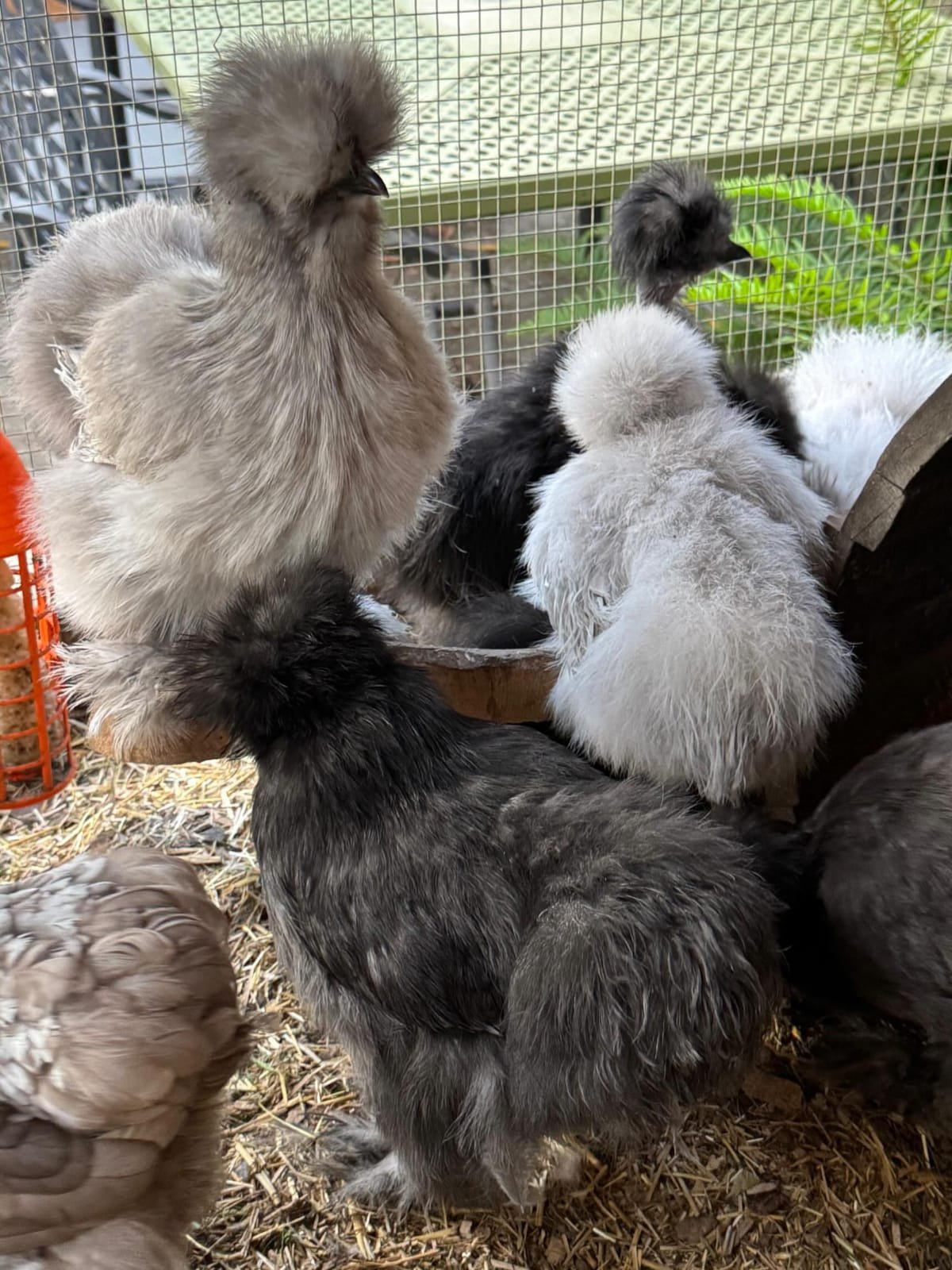
- Silkie Bantam
Silkies are probably the first breed many beginners picture when they hear “bantam.”
Their unusual fluffy feathers, dark skin, feathered feet, and friendly personalities make them enormously popular.
Size: Very small
Temperament: Gentle and friendly
Egg laying: Fair
Beginner-friendly: Yes
Silkies are particularly attractive to families because many can become very tame with regular handling. They also have strong broody instincts, making them interesting for people who want natural mothers.
Their fluffy feathers do require some additional attention, particularly in wet or muddy conditions.
Best for: Pets, families, brooding, ornamental flocks.
[Insert Image of Silkie Bantam here]
- Sebright Bantam
Sebrights are tiny, elegant true bantams known for their striking laced feathers.
They are more active and alert than some of the fluffy companion breeds.
Size: Tiny
Temperament: Active, alert
Egg laying: Fair to low
Beginner-friendly: Yes, with appropriate handling
They’re especially appealing if you want a showy bird rather than a high-production layer.
Best for: Exhibition, ornamental flocks, experienced beginners.
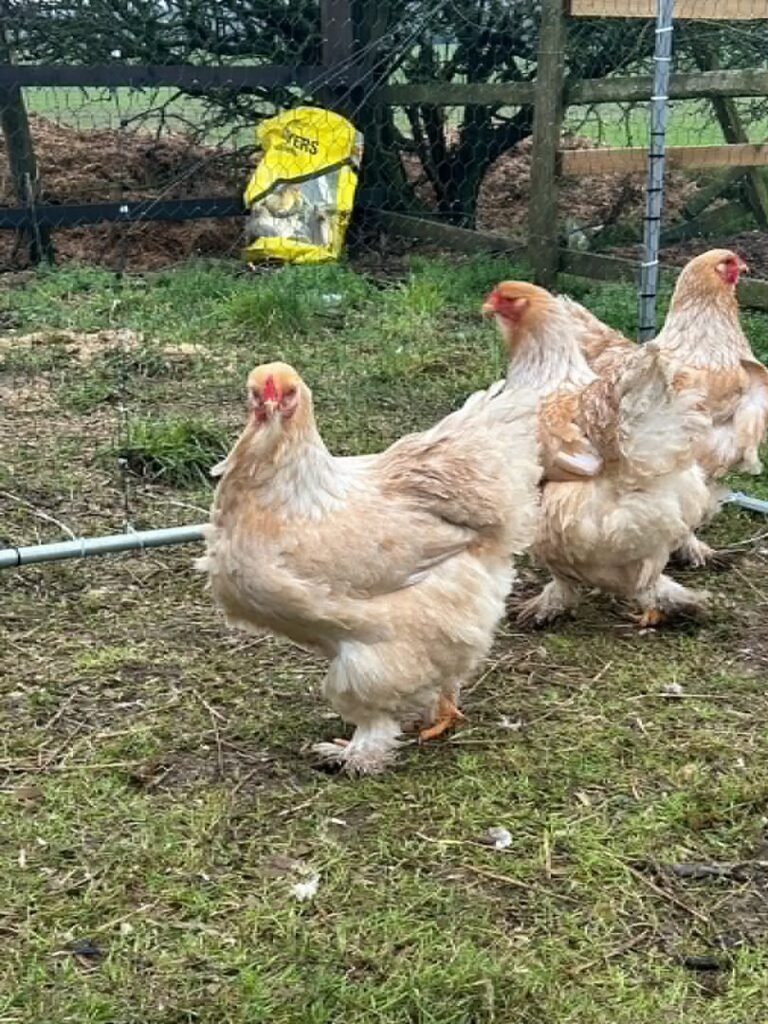
- Cochin Bantam
Cochin Bantams are little balls of feathers.
They’re known for their feathered legs, rounded appearance, and generally calm personalities.
Size: Small
Temperament: Docile
Egg laying: Fair
Beginner-friendly: Yes
They can be broody, and their calm nature makes them a strong choice for someone who wants a friendly backyard bird.
Current hatchery breed information similarly describes Cochin Bantams as docile, very broody, ornamental birds with small brown eggs. (Cackle Hatchery)
Best for: Families, pets, brooding, ornamental flocks.
- Dutch Bantam
Dutch Bantams are compact, active little birds with a classic bantam appearance.
They are lively and can be entertaining to watch, but individual temperament varies.
Size: Tiny
Temperament: Active and alert
Egg laying: Fair
Beginner-friendly: Yes, especially for attentive owners
Best for: Small backyard flocks and hobby keepers.
- Japanese Bantam
Japanese Bantams have an unmistakable appearance, often featuring very short legs and an upright tail.
They’re primarily ornamental.
Size: Very small
Temperament: Active
Egg laying: Fair
Beginner-friendly: Yes, although their unique structure requires some consideration
Cackle’s current breed information lists Japanese Bantams as ornamental/exhibition birds with small cream or tinted eggs. (Cackle Hatchery)
Best for: Ornamental flocks and exhibition.
- Belgian d’Uccle
Belgian d’Uccles are famous for their beards, muffs, feathered feet, and beautiful colors.
Mille Fleur and Porcelain varieties are especially popular.
Size: Small
Temperament: Sweet and friendly
Egg laying: Fair
Beginner-friendly: Yes
They’re a particularly nice choice for someone who wants a visually distinctive pet chicken.
My Pet Chicken currently describes its Mille Fleur d’Uccle as friendly with fair egg production, while its Porcelain d’Uccle listing similarly emphasizes its sweet personality and ornamental appeal. (My Pet Chicken)
Best for: Families, pets, showing, ornamental flocks.
[Insert Image of Mille Fleur or Porcelain d’Uccle Bantam here]
- Old English Game Bantam
Old English Game Bantams are small, athletic, alert birds with a long history in poultry keeping.
Size: Very small
Temperament: Active and energetic
Egg laying: Low to fair
Beginner-friendly: Better for attentive beginners than very young children
They’re beautiful birds, but their active temperament means they aren’t always the first choice for someone who wants a quiet cuddly chicken.
Current hatchery information lists Old English Game Bantams at roughly 22–24 ounces for mature hens and roosters, depending on sex and line, with small cream or tinted eggs and comparatively poor egg production. (Cackle Hatchery)
Best for: Exhibition, breeding, ornamental flocks, experienced hobbyists.
- Shipping, Brooding and Caring For Your New Bantam Chicks
This is the part many product pages don’t explain well enough.
Buying chicks is only half the job.
The first few weeks are when preparation matters most.
Before your chicks arrive
Have the brooder completely ready before the shipping date.
You’ll need:
- A secure brooder
- Reliable heat source
- Chick-safe bedding
- Chick starter feed
- Shallow chick-safe waterer
- Thermometer
- Draft protection
- Secure walls high enough to prevent escapes
- Clean paper towels or suitable footing during the first few days
For tiny bantams, avoid waterers that allow a chick to fall into the water.
Temperature matters—but watch the chicks
A traditional brooding guideline starts chicks around 95°F during their first week and gradually decreases the temperature by about 5°F each week as they feather out.
But don’t rely on the thermometer alone.
Chicks tell you whether they’re comfortable.
If they’re huddled directly under the heat source and constantly peeping, they’re probably cold.
If they’re avoiding the heat, panting, and spreading themselves around the brooder, they’re probably too warm.
Comfortable chicks should be active, eating, drinking, sleeping, and moving around normally.
Weeks 1–2: Stability is everything
During the first two weeks, your priorities are simple:
- Warmth
- Water
- Feed
- Clean bedding
- Protection from drafts and predators
Bantams are tiny, so check them several times each day.
If a chick becomes weak, isolated, lethargic, or stops eating and drinking, don’t simply assume it is tired. Promptly consult a veterinarian or experienced poultry professional.
Weeks 3–5: Feather growth
By this stage, chicks should become noticeably more feathered and active.
Continue providing chick starter according to the feed manufacturer’s directions.
Give them enough room to move away from the heat source as they grow.
Weeks 6–8: Preparing for the coop
Many healthy chicks are becoming much more independent by this point, although exact timing varies with breed, weather, feathering, and individual development.
Before moving bantams outside, make sure:
- The coop is predator-proof.
- There are no large gaps where small birds can escape.
- Roosts are appropriate for bantam feet.
- Food and water are easily accessible.
- Weather conditions are suitable.
- They are fully feathered enough for your local conditions.
And remember: bantams are small enough for predators to take seriously. Raccoons, hawks, neighborhood dogs, cats, and other predators can pose a significant risk.
What about shipping stress?
When shipped chicks arrive, get them into a warm, quiet brooder as quickly as practical.
Let them settle.
Dip a chick’s beak gently toward the water so it can locate the drinker, but don’t force water down its throat.
Watch for normal activity and drinking.
Some hatcheries provide detailed arrival and chick-care instructions, and you should always follow the specific instructions supplied with your order. Cackle, for example, publishes chick-care and safety information alongside its hatchery resources. (Cackle Hatchery)
- Bantam Chicken FAQs
Are bantam chickens good for beginners?
Yes, many bantam breeds are excellent for beginners. Silkies, Cochins, and d’Uccles are popular choices because of their generally friendly personalities.
However, bantams aren’t automatically easier than standard chickens. Their small size means you need to pay close attention to brooding, water access, predator protection, and flock compatibility.
For a first flock, choose temperament and health over unusual color.
How big do bantam chickens get?
Bantam size varies by breed, but many weigh roughly 1–2 pounds as adults, with some true bantams considerably smaller.
For comparison, Cackle’s current breed information lists Japanese Bantam hens around 22 ounces and Old English Game Bantam hens around 22 ounces, illustrating how compact these birds can be. (Cackle Hatchery)
Do bantams lay eggs?
Yes. Bantam hens lay eggs, although the eggs are smaller than those produced by standard-size hens.
Production varies considerably between breeds and individual birds. Some bantams are primarily ornamental and lay relatively few eggs, while others can be surprisingly productive.
If eggs are your priority, research the specific breed’s production before ordering.
Can bantams live with big chickens?
Sometimes, but caution is needed.
A large standard rooster can seriously injure a bantam hen during mating, and larger chickens may bully smaller birds away from food and water.
If you want a mixed flock, provide plenty of space, multiple feeding stations, hiding areas, and carefully monitor introductions.
For many beginners, a flock made up primarily of similarly sized bantams is simpler.
What time of year are bantam chicks for sale?
Bantam availability is commonly seasonal, with spring and summer being especially important ordering periods.
However, the exact season depends on the breed and hatchery. For example, Cackle currently identifies bantams as a seasonal February–August category, while some individual listings extend into later 2026 dates. (Cackle Hatchery)
My Pet Chicken also uses specific ship weeks and availability charts rather than guaranteeing every breed year-round. (My Pet Chicken)
If you want a particular breed, don’t wait until the last minute. Rare colors and specialty bantams can sell out quickly.
- Ready To Buy? Contact Us Today
Choosing your first bantams should be exciting—not confusing.
Whether you’re looking for a fluffy Silkie, a beautiful d’Uccle, a show-quality Sebright, a Cochin Bantam, or another unusual variety, start by deciding what matters most to you: temperament, egg production, appearance, breed rarity, sex, age, or breeding potential.
Then ask about current availability before placing your order.
Looking for healthy, hand-raised bantam chickens for sale? We have chicks and started birds available year-round.
Message us directly on WhatsApp for current availability, pricing, and shipping info.
📱 Call: 7542791732
We ship nationwide in the USA and offer local pickup. Ask us about rare bantam breeds too!
Before publishing this offer, make sure the availability, year-round claim, nationwide shipping, local pickup, and pricing accurately reflect your current business operations and applicable state/local poultry requirements.
If you’re ready to bring some tiny personalities into your backyard flock, give us a call at 7542791732 and ask what bantams are available now.
Final Thoughts: Choosing the Right Bantam
Finding a bantam chicken for sale is easy. Finding the right bantam for your flock takes a little more thought.
Start with the basics: choose a healthy source, understand the breed’s temperament, calculate the complete cost including shipping, prepare your brooder before the chicks arrive, and make sure your local rules allow you to keep poultry.
For beginners, friendly breeds such as Silkies, Cochins, and Belgian d’Uccles can be excellent starting points. If you’re more interested in exhibition or unusual appearance, Sebrights, Japanese Bantams, and Old English Game Bantams are worth exploring.
Most importantly, don’t buy a chicken simply because its photo is adorable.
Choose a bird that fits your space, climate, experience level, flock, and goals.
And if you’re ready to start shopping, contact us at 7542791732 to ask about current bantam chicks and started birds. Your next favorite backyard chicken might be only a phone call away.
FAQ Schema-Style Questions
Question: Are bantam chickens good for beginners?
Answer: Yes. Many bantam breeds, particularly Silkies, Cochins, and d’Uccles, can be excellent beginner birds. New owners should pay special attention to brooding, predator protection, and flock compatibility.
Question: How big do bantam chickens get?
Answer: Bantams are much smaller than standard chickens. Many adult bantams weigh around 1–2 pounds, although exact size depends on the breed and individual bird.
Question: Do bantams lay eggs?
Answer: Yes. Bantam hens lay smaller eggs, but egg production varies significantly by breed. Some ornamental bantams lay relatively few eggs, while others are more productive.
Question: Can bantams live with big chickens?
Answer: They can in some situations, but mixed-size flocks require careful management. Larger chickens may bully bantams, and large roosters can injure bantam hens. Monitor introductions closely and provide adequate space and separate feeding areas when necessary.
Question: What time of year are bantam chicks for sale?
Answer: Bantam chicks are most commonly available during the spring and summer, but availability varies by breed and hatchery. Popular and rare varieties can sell out, so ordering early is recommended.